Free Insider Trading Tracker — Real-Time SEC Form 4 Data
Track live CEO, CFO, and director stock purchases and sales sourced directly from SEC Form 4 filings. Filter by company, insider role, transaction size, and more. All data is publicly disclosed by the SEC and updated in real time.
Track the Smart Money
Follow the trades of CEOs, CFOs, and insiders in real-time. Don't just guess invest with conviction.
Our Reports & In-Depth Analysis
Comprehensive, research-backed financial reports with infographics on institutional trends, AI circular flows, and market indicators.

The AI Circular Valuation Bubble: Inside the Venture-Cloud Loop
An in-depth investigation into how technology giants and AI startups engage in circular capital flows, investing venture capital in exchange for cloud services and hardware, creating a closed-loop economy that artificially inflates valuations.
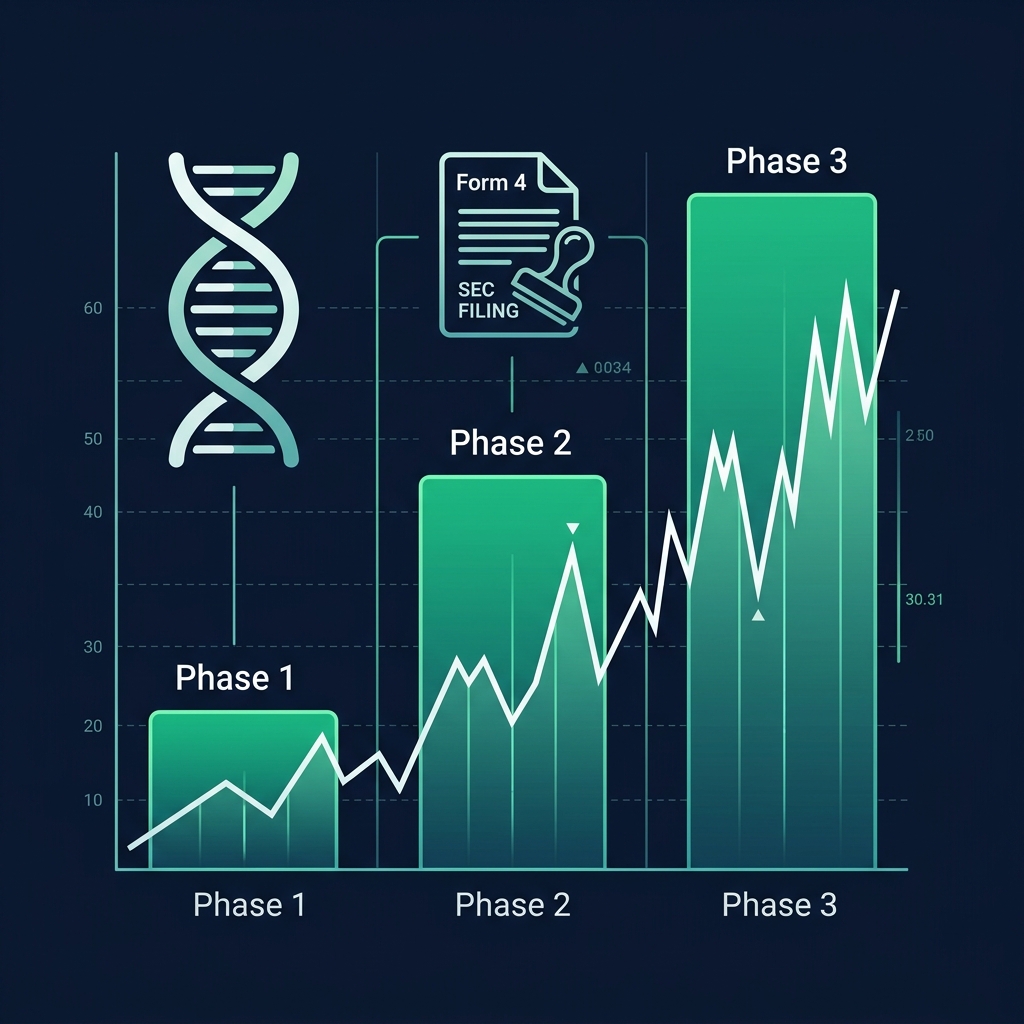
The Biotech Executive Playbook: Tracking Clinical Phase SEC Filings
An empirical study on how clinical-stage biotech executives execute Form 4 open-market purchases ahead of trial data releases, outlining the regulatory gaps and alpha potential of clinical insider tracking.
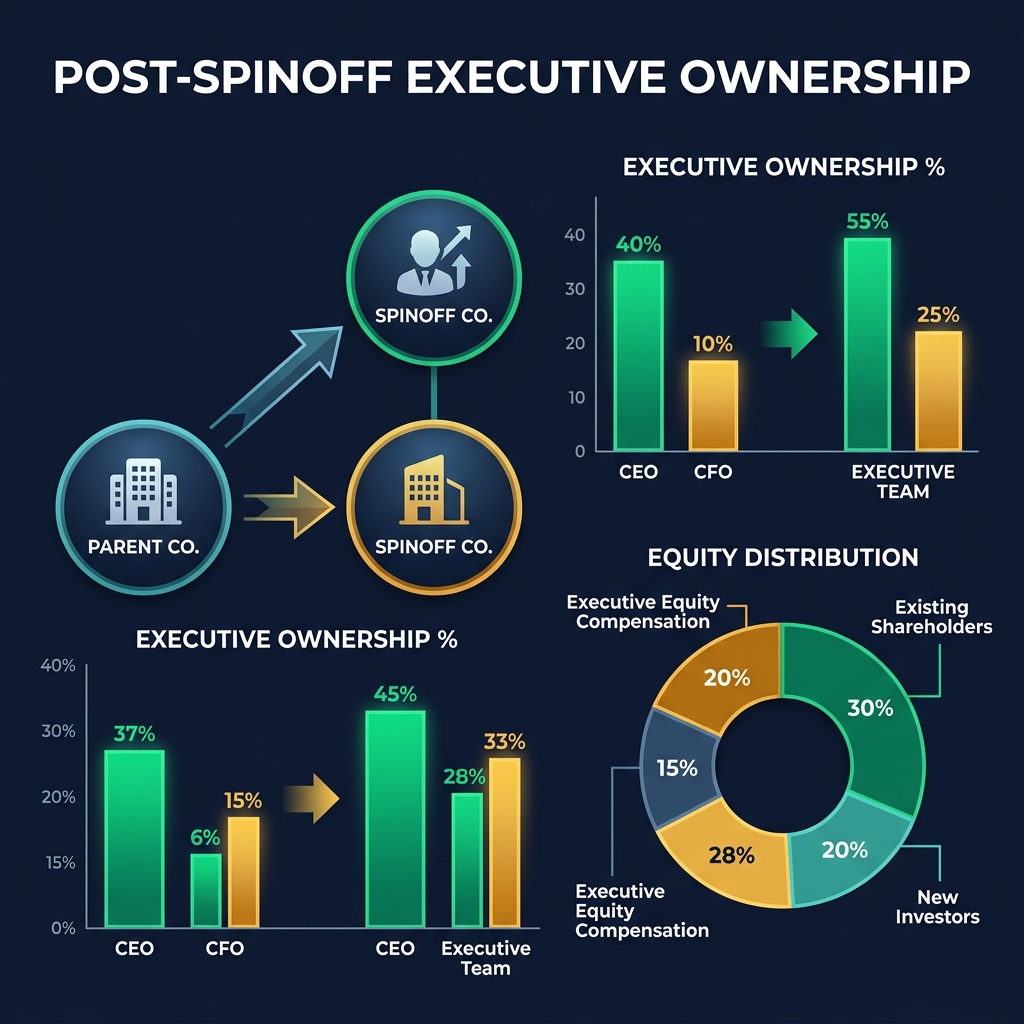
The Spinoff Separation: Tracking Post-Spinoff Executive Ownership Trends
An investigation of corporate spinoffs, showing how executive equity allocations and post-separation insider transactions signal parent and subsidiary performance trajectories.
Expert Advice & Insights
Research-backed articles from our team to help you interpret insider trading signals, SEC filings, and market patterns.
Lock-up Expiration Frontrunning: How Venture Funds Manage Large Block Trades
When lock-up periods expire, venture funds use block trades, 10b-18 programs, and coordinated secondary offerings to exit large positions. This report reveals the strategies that minimize price impact, and how retail investors can track them.
a16z Capital Distributions vs. Open-Market Insider Buying: A 2026 Study
A 2026 empirical study comparing Andreessen Horowitz's in-kind share distributions to LPs against open-market insider purchases, revealing which signal better predicts 12-month price performance.
The Impact of Interest Rates on Insider Behavior: A Macro Analysis
When the Fed tightens, equity valuations fall, but insider purchase activity does not always follow the same pattern. This report examines three rate-hike cycles to show how rising rates affect the frequency and conviction of C-suite stock buys.
Institutional Ownership vs. Insider Trading: Understanding the Data Flow
High institutional ownership reduces information asymmetry, but does it also reduce the predictive power of insider trades? This analysis tests whether stocks with more than 70% institutional ownership show weaker Form 4 signal performance.
The Role of Venture Partners on Public Boards: Tracking a16z and Sequoia Directors
When a16z or Sequoia places a partner on a public company board, they become Section 16 insiders and must file Form 4. This report tracks VC-director trading patterns at major portfolio companies and what their transactions signal to outside investors.
Spotting Insider Sells: When to Worry and When to Ignore
Most insider sales are irrelevant, estate planning, tax obligations, diversification. But certain Form 4 selling patterns are genuine red flags. This guide teaches you exactly when to worry: cluster sells, CEO departures, and pre-restatement patterns.
The Y Combinator Spinoff Trade: Spotting Alpha in Post-Demo Day IPOs
Y Combinator alumni companies show distinctive insider liquidity patterns after IPO. This report maps Form 4 activity at YC-backed public companies to identify when founder and early-investor selling subsides and conviction buying begins.
Y Combinator Alum Stock Performance Post-IPO: The SEC Form 4 Perspective
A systematic review of SEC Form 4 activity at YC alumni companies post-IPO, tracking when founders shift from selling to buying, how early investor lock-up expiration affects price, and which YC cohort vintages show the strongest insider conviction signals.
Insider Trading and Earnings Announcements: Spotting the Catalyst
How does insider trading activity in the 30 days before earnings compare to post-announcement prices? This study quantifies the predictive power of pre-earnings Form 4 purchases after accounting for blackout period compliance.
Frequently Asked Questions About Insider Trading Data
This FAQ is for educational purposes only. It explains how insider trading data is reported, what signals are worth watching, and how to interpret filings without making personalized investment recommendations.
How to Interpret Insider Trading Data
Insider trading data allows retail investors to see exactly what corporate officers and directors are doing with their own stock. While insiders sell for many reasons (taxes, diversification, buying a house), they generally only buy for one reason: they believe the stock price will go up.
Key Signals to Watch:
- Cluster Buys: When multiple insiders (CEO, CFO, Directors) buy stock around the same time, it is often a strong bullish signal.
- Open Market Purchases: Look for "P" codes in Form 4 filings. This means the insider paid market price with their own cash, unlike option exercises or grants.
- Large Volume: Transactions that represent a significant increase in an insider's holdings carry more weight.
Understanding SEC Form 4
The SEC Form 4 is the primary document used to track insider activity. By law, insiders must file this form within two business days of a transaction.
Common Transaction Codes:
- P - Purchase: Buying securities on the open market or through a private transaction.
- S - Sale: Selling securities on the open market or through a private transaction.
- A - Grant: Receiving stock as compensation (often Restricted Stock Units or Options).
- M - Exercise: Converting derivatives (like stock options) into actual shares.
*Stock Insider AI aggregates this data in real-time to provide you with actionable insights.